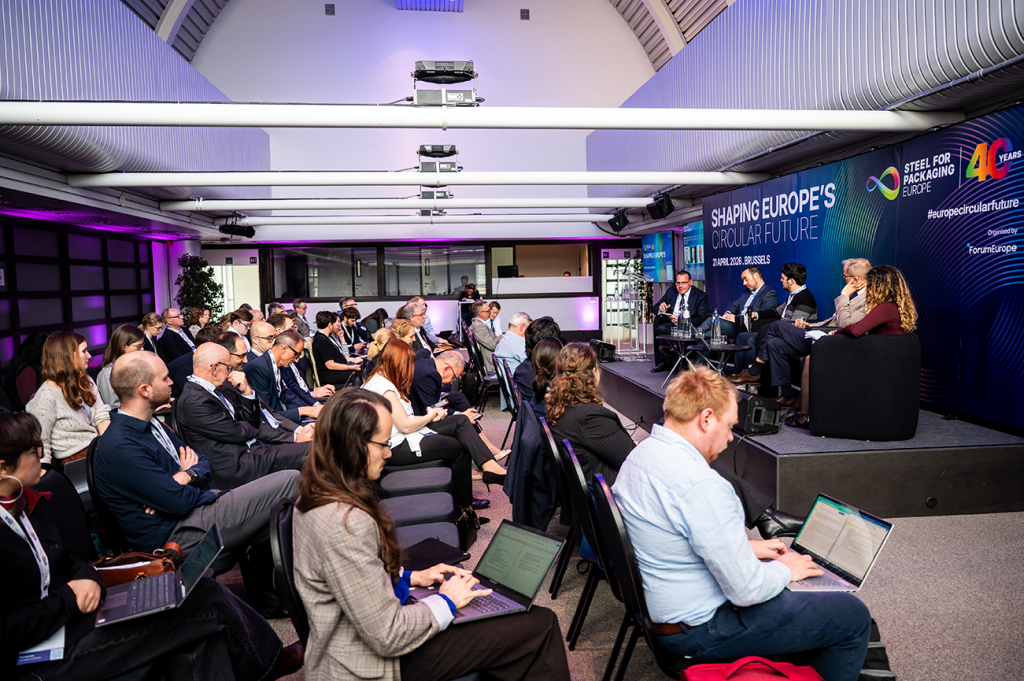
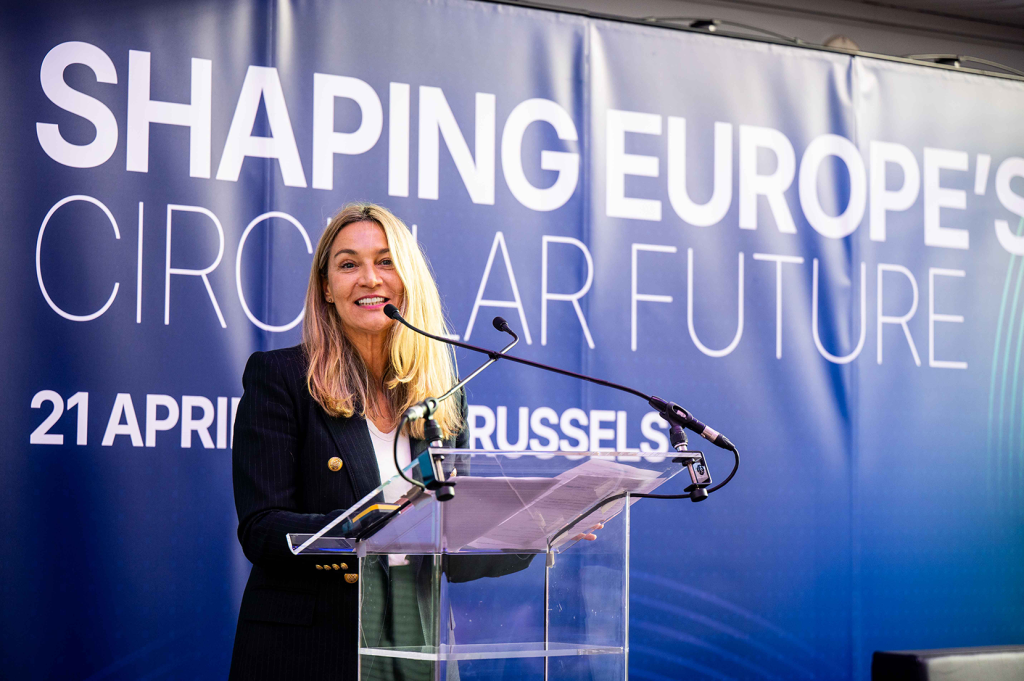
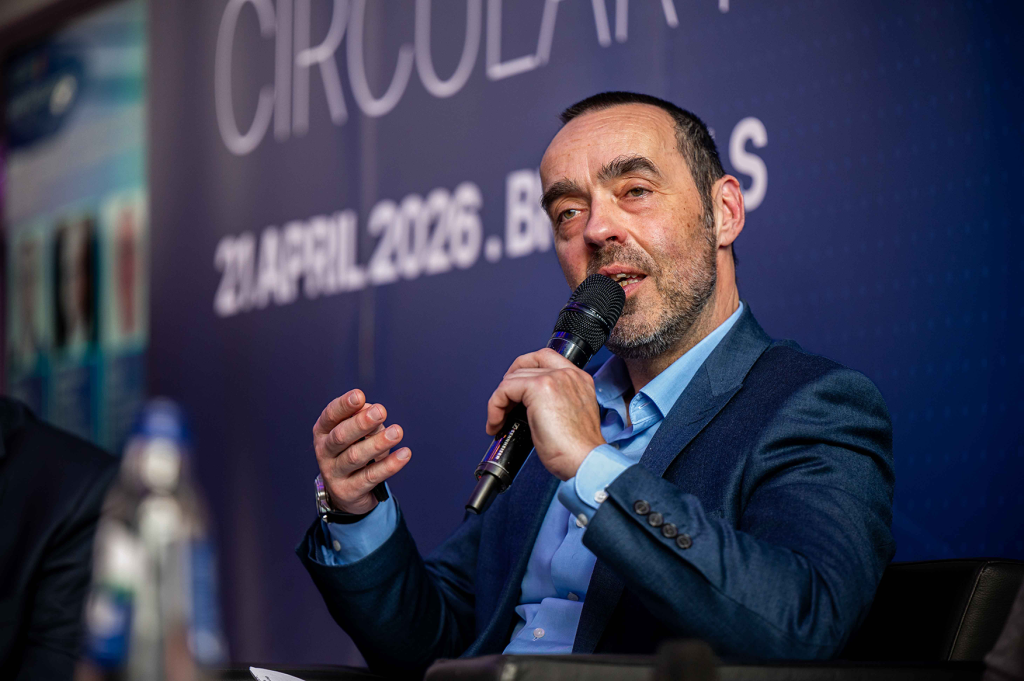
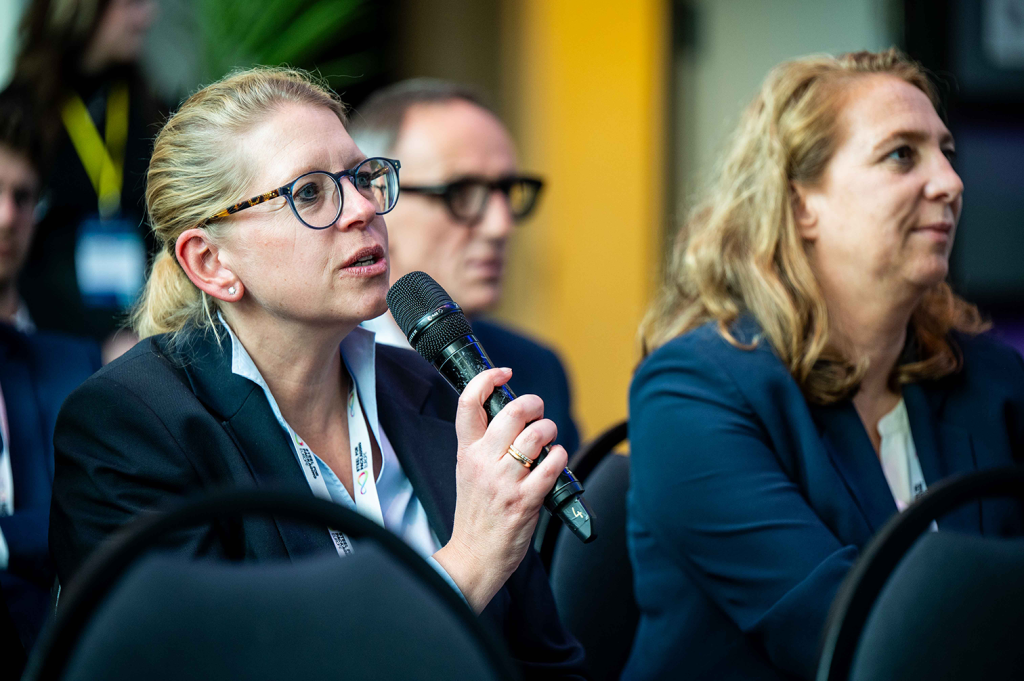
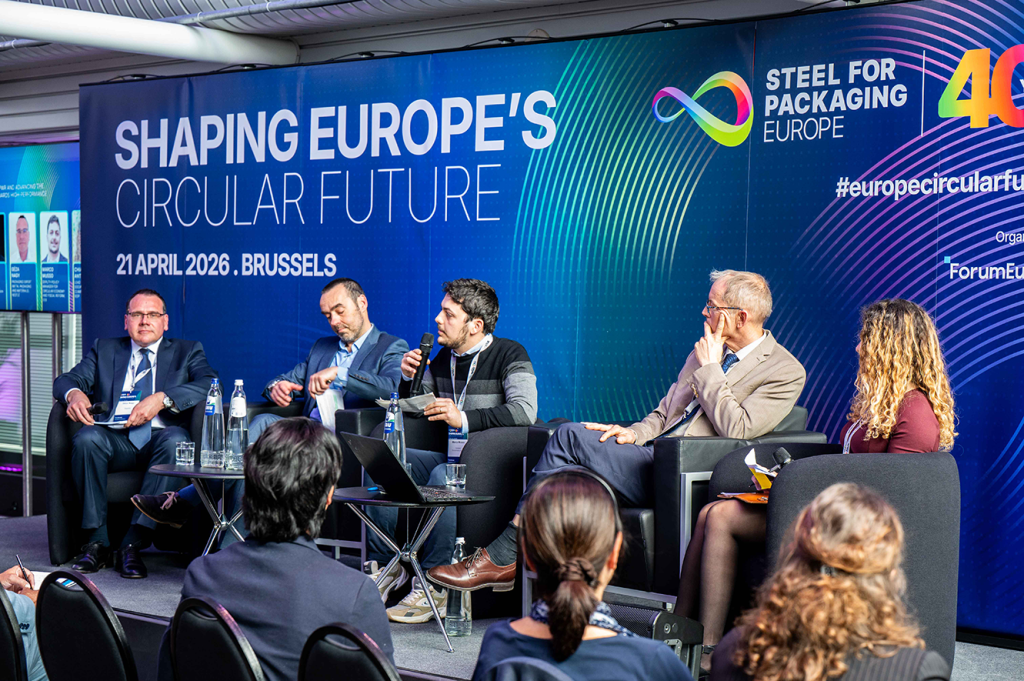
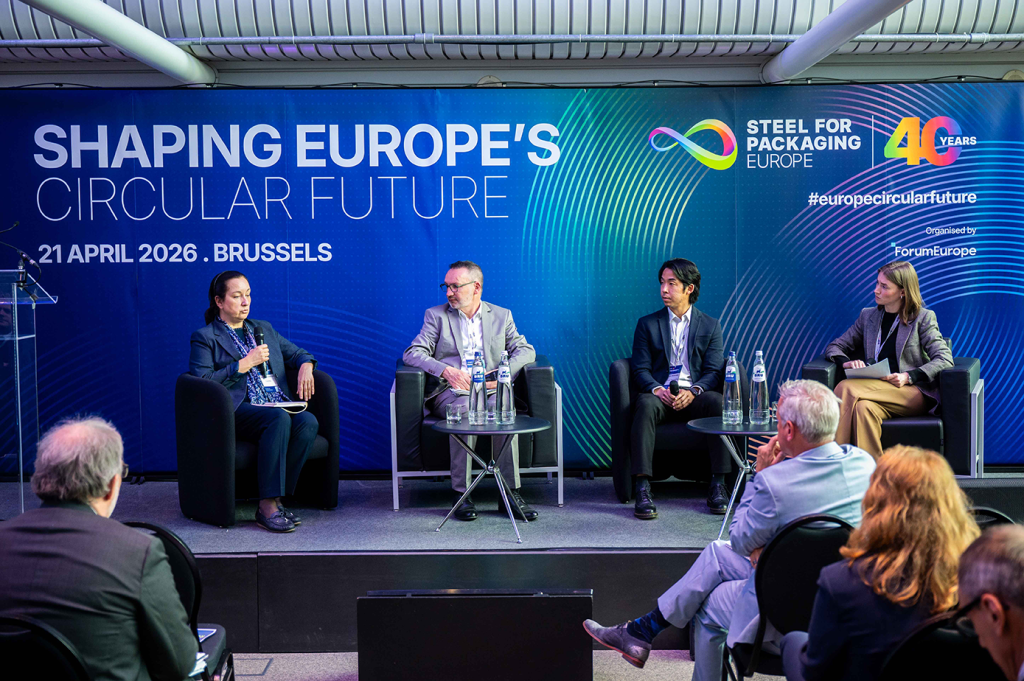
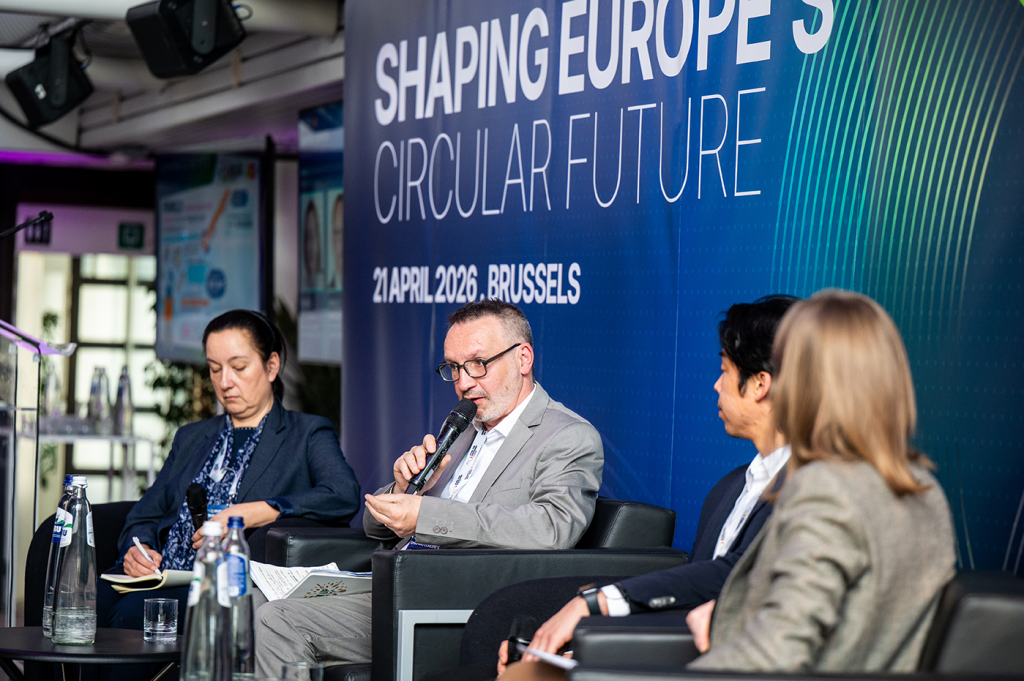
This event marks 40 years of Steel for Packaging Europe’s commitment to steel as a truly circular packaging solution.
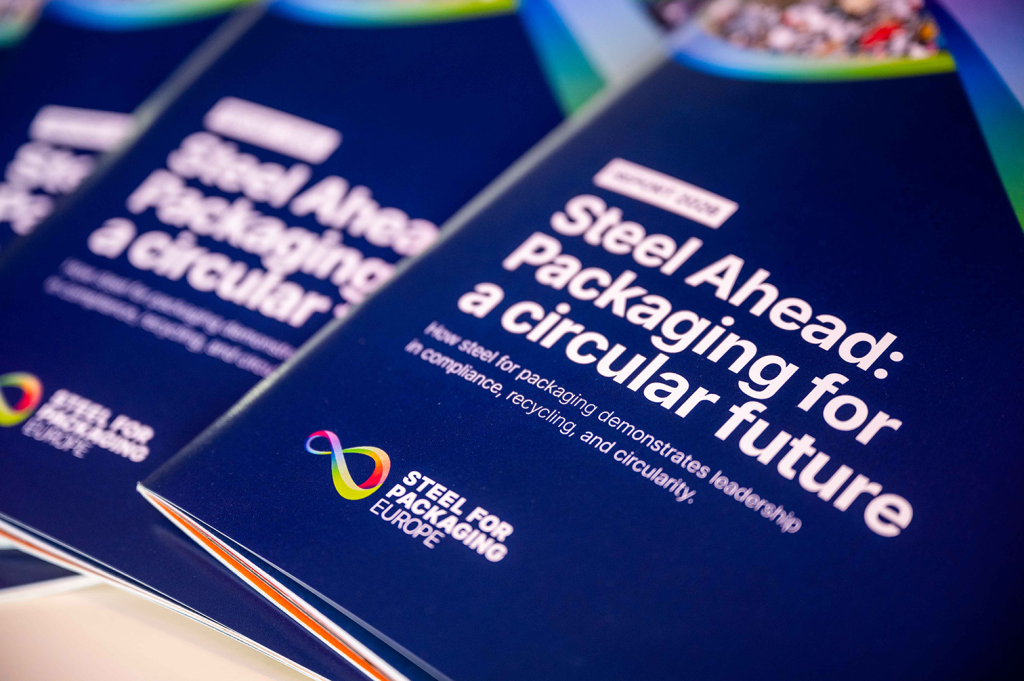
Coinciding with the launch of SfPE’s third Recycling Report, “Steel Ahead: Packaging for a Circular Future”, the event will provide early access to exclusive insights on steel’s role in Europe’s packaging and recycling systems. It will present SfPE’s six policy recommendations to EU decision-makers and offer policy perspectives to support the effective implementation of Europe’s circular economy framework.
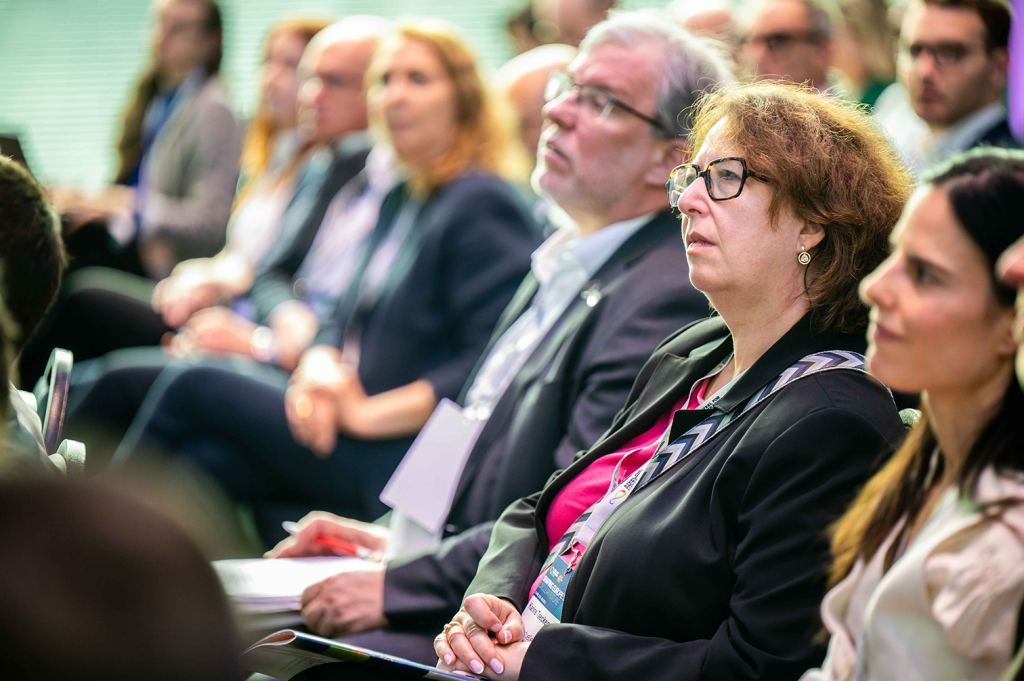
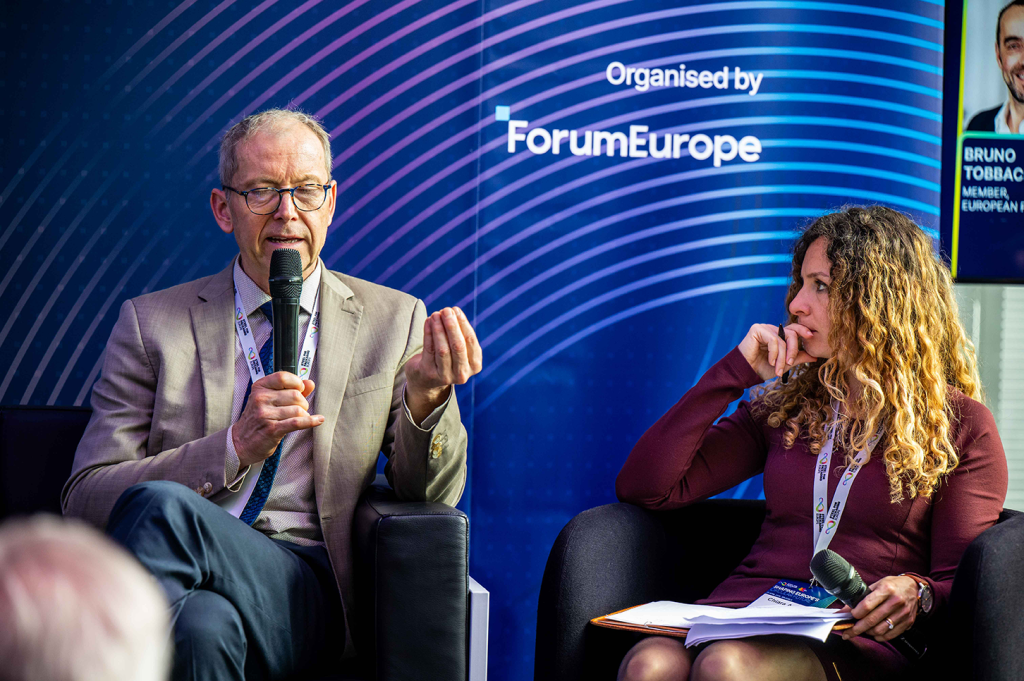
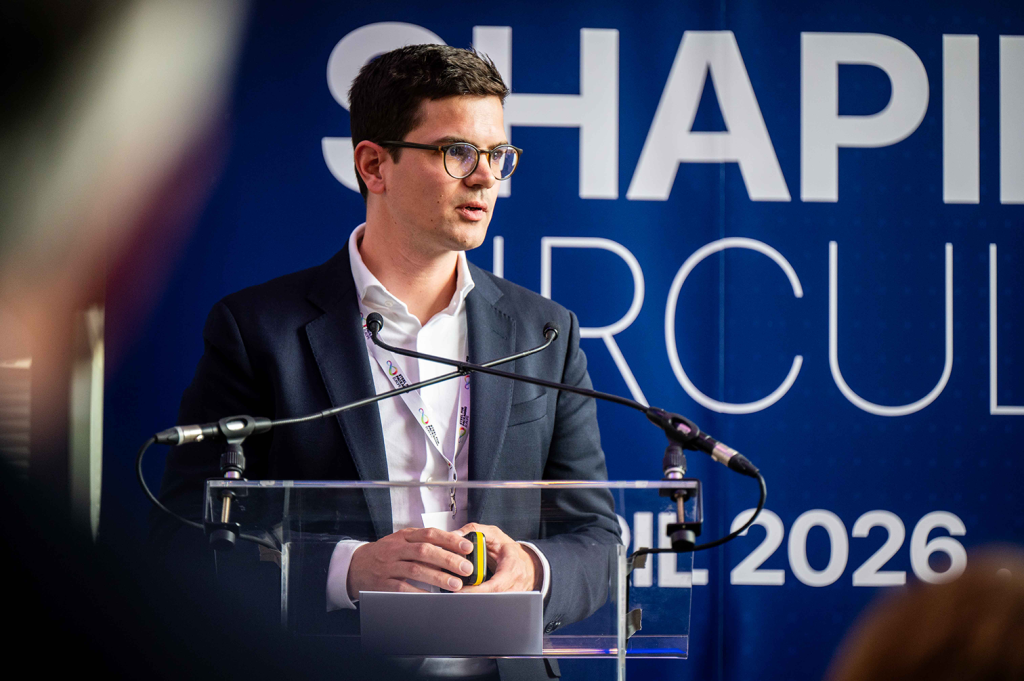
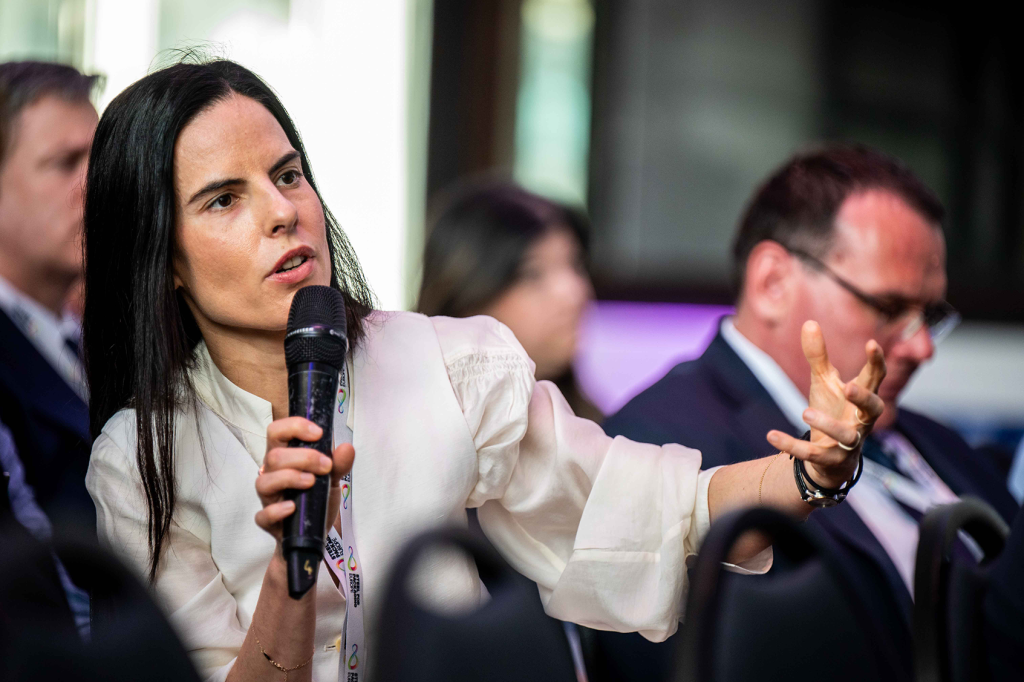
Bringing together EU institutions, industry leaders, NGOs, and recycling value-chain stakeholders, the event will feature contributions from leading policymakers and experts on the remaining gaps in Europe’s circular economy and how to translate legislative ambition into high-quality recycling outcomes. It will also provide a dedicated opportunity for networking and exchange as part of SfPE’s 40th anniversary.
Times are in CET
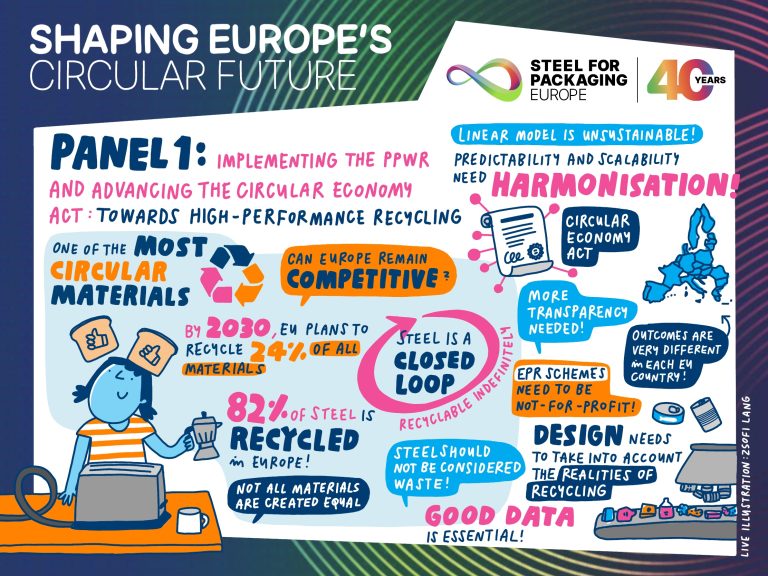
As Europe moves toward the implementation phase of PPWR and the adoption of the Circular Economy Act, ensuring high-quality recycling becomes a defining policy priority. This panel will explore how robust Design for Recycling criteria, optimised separate collection systems, and the phase-out of landfilling can put the Act’s ambitions into practice. With steel already achieving top recyclability performance grades and demonstrating a closed-loop system, speakers will discuss how policy can better recognise permanent materials that deliver proven circularity. The debate will focus on aligning regulatory requirements under the Circular Economy Act and PPWR with real-world collection, sorting, and recycling performance.
The Circular Economy Act must clearly recognise and reward materials that demonstrate proven, high-performance and permanent recyclability.
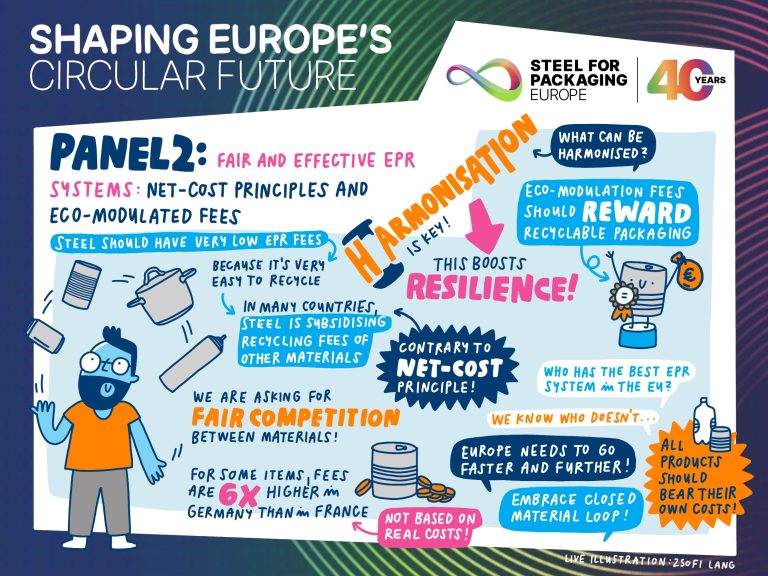
This panel examines how Extended Producer Responsibility (EPR) systems must evolve to support a truly circular European economy. It will focus on two critical pillars: the net-cost approach and eco-modulation of fees. Speakers will discuss how harmonised, transparent, proportional, and non-discriminatory EPR fees—based on the real net-costs of collection & sorting as well as further processing to recycling, minus the proceeds of selling – are essential to ensure that recyclable materials are treated fairly. The discussion will also highlight the importance of recognising the financial value of steel scrap, which must be factored into net-cost calculations. The panel will then examine eco-modulation, emphasising why EPR fees must be material-specific, with revenues reinvested in the collection and sorting of the material from which they are raised. A properly modulated system should reward materials that can be recycled endlessly. This session will explore how these principles can make EPR systems more efficient, equitable, and aligned with Europe’s circular objectives.
The EPR reform must support high quality recycling, by taking into account the recycling costs and revenues for different types of materials.
As Europe moves toward the implementation phase of PPWR and the adoption of the Circular Economy Act, ensuring high-quality recycling becomes a defining policy priority. This panel will explore how robust Design for Recycling criteria, optimised separate collection systems, and the phase-out of landfilling can put the Act’s ambitions into practice. With steel already achieving top recyclability performance grades and demonstrating a closed-loop system, speakers will discuss how policy can better recognise permanent materials that deliver proven circularity. The debate will focus on aligning regulatory requirements under the Circular Economy Act and PPWR with real-world collection, sorting, and recycling performance.
The Circular Economy Act must clearly recognise and reward materials that demonstrate proven, high-performance and permanent recyclability.
This panel examines how Extended Producer Responsibility (EPR) systems must evolve to support a truly circular European economy. It will focus on two critical pillars: the net-cost approach and eco-modulation of fees. Speakers will discuss how harmonised, transparent, proportional, and non-discriminatory EPR fees—based on the real net-costs of collection & sorting as well as further processing to recycling, minus the proceeds of selling – are essential to ensure that recyclable materials are treated fairly. The discussion will also highlight the importance of recognising the financial value of steel scrap, which must be factored into net-cost calculations. The panel will then examine eco-modulation, emphasising why EPR fees must be material-specific, with revenues reinvested in the collection and sorting of the material from which they are raised. A properly modulated system should reward materials that can be recycled endlessly. This session will explore how these principles can make EPR systems more efficient, equitable, and aligned with Europe’s circular objectives.
The EPR reform must support high quality recycling, by taking into account the recycling costs and revenues for different types of materials.
Agenda coming soon!
Check back here for regular updates.
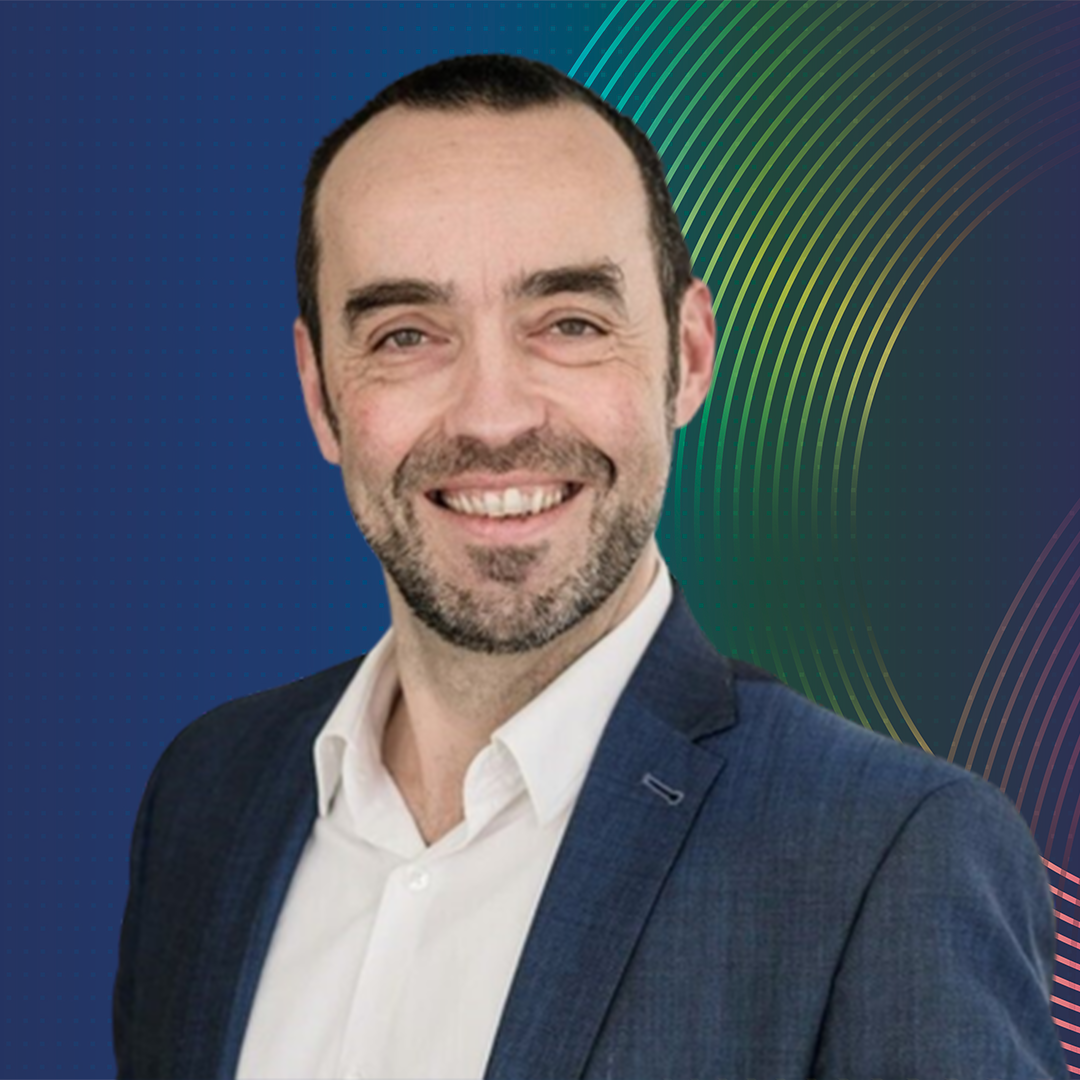
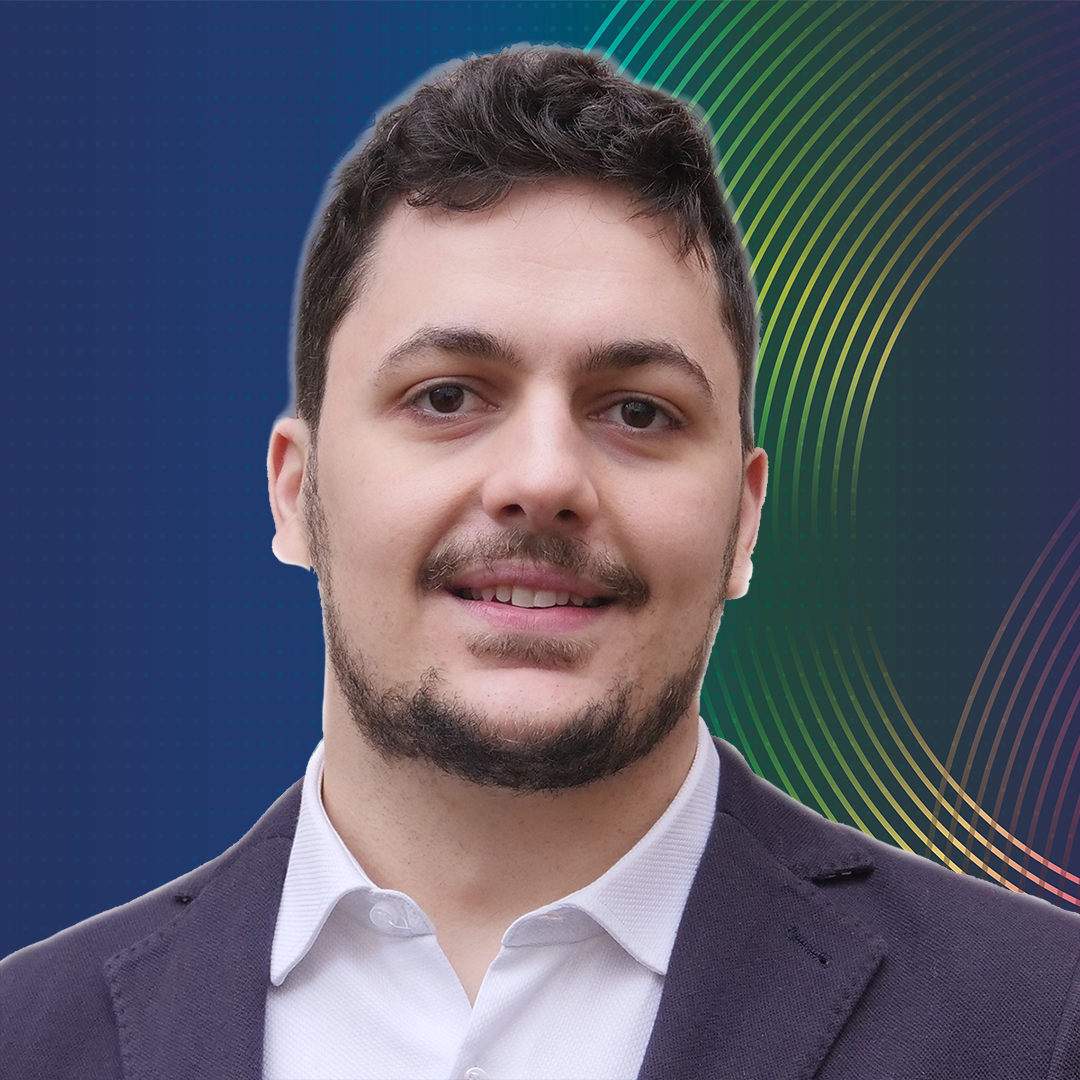
Bruno Tobback, Member of the European Parliament Bruno Tobback is a Belgian politician and member of the European Parliament for Vooruit. He is a member of the Group of the Progressive Alliance of Socialists and Democrats in the European Parliament. He began his career as a lawyer after obtaining a Master of Law and a Master of Social and Economic Law. His political career started as a provincial councilor. Since then, he has held important positions at both the Flemish and federal levels, such as parliamentary group leader in the Flemish Parliament, federal minister of Environment and Pensions and president of the social Democratic Party in Flanders (Vooruit). Currently, he is also a member of the city council of his hometown, Leuven.
Member of European Parliament
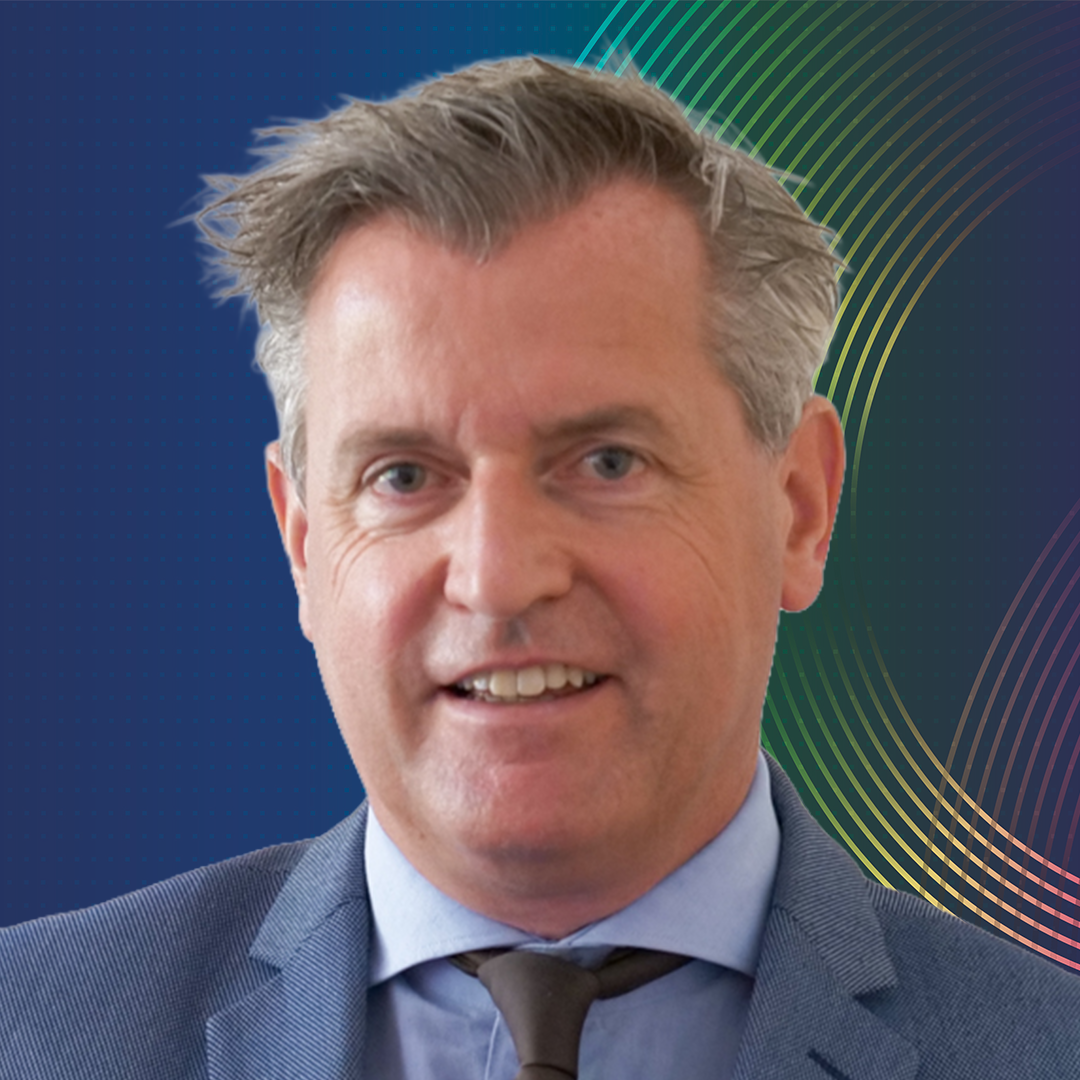
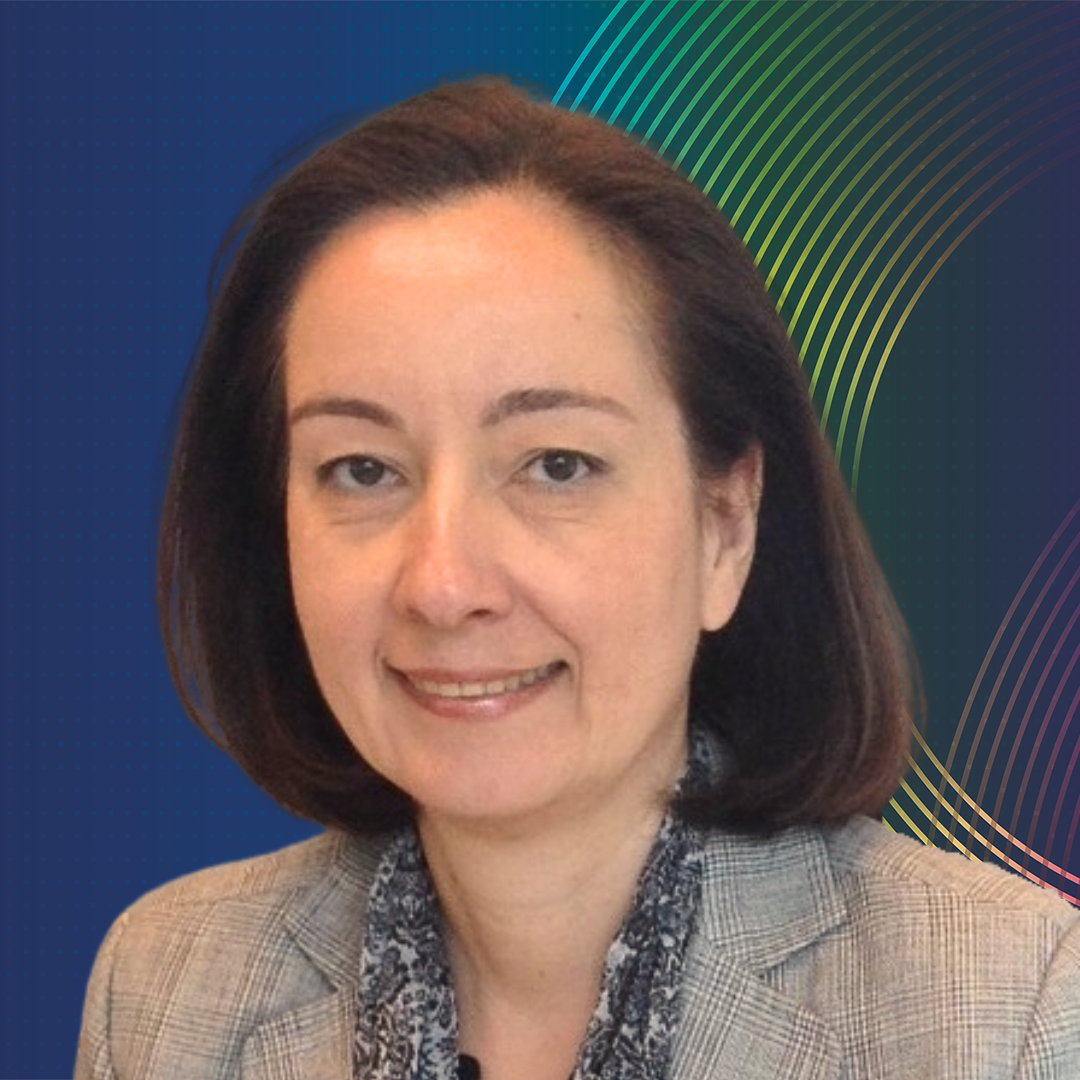
Susana Solis, Member of European Parliament Susana Solís has been a Spanish Member of the European Parliament since 2019. Over the years, she has been a strong advocate for a more competitive European industry and a more resilient internal market. She currently serves on the committees for Environment (ENVI), Industry (ITRE), and Internal Market and Consumer Protection (IMCO), and is an active member of the Delegation for relations with the People’s Republic of China.
Member European of Parliament
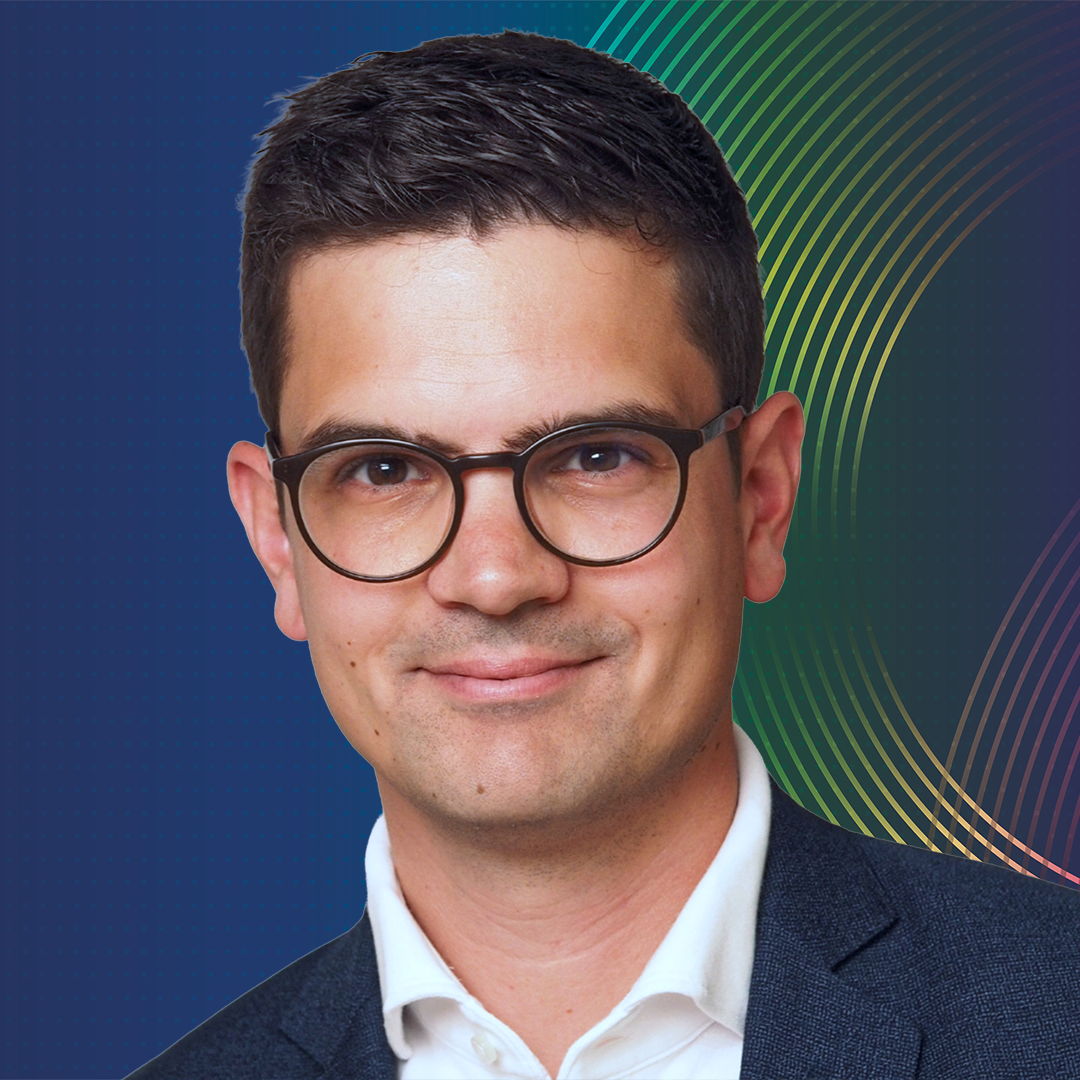
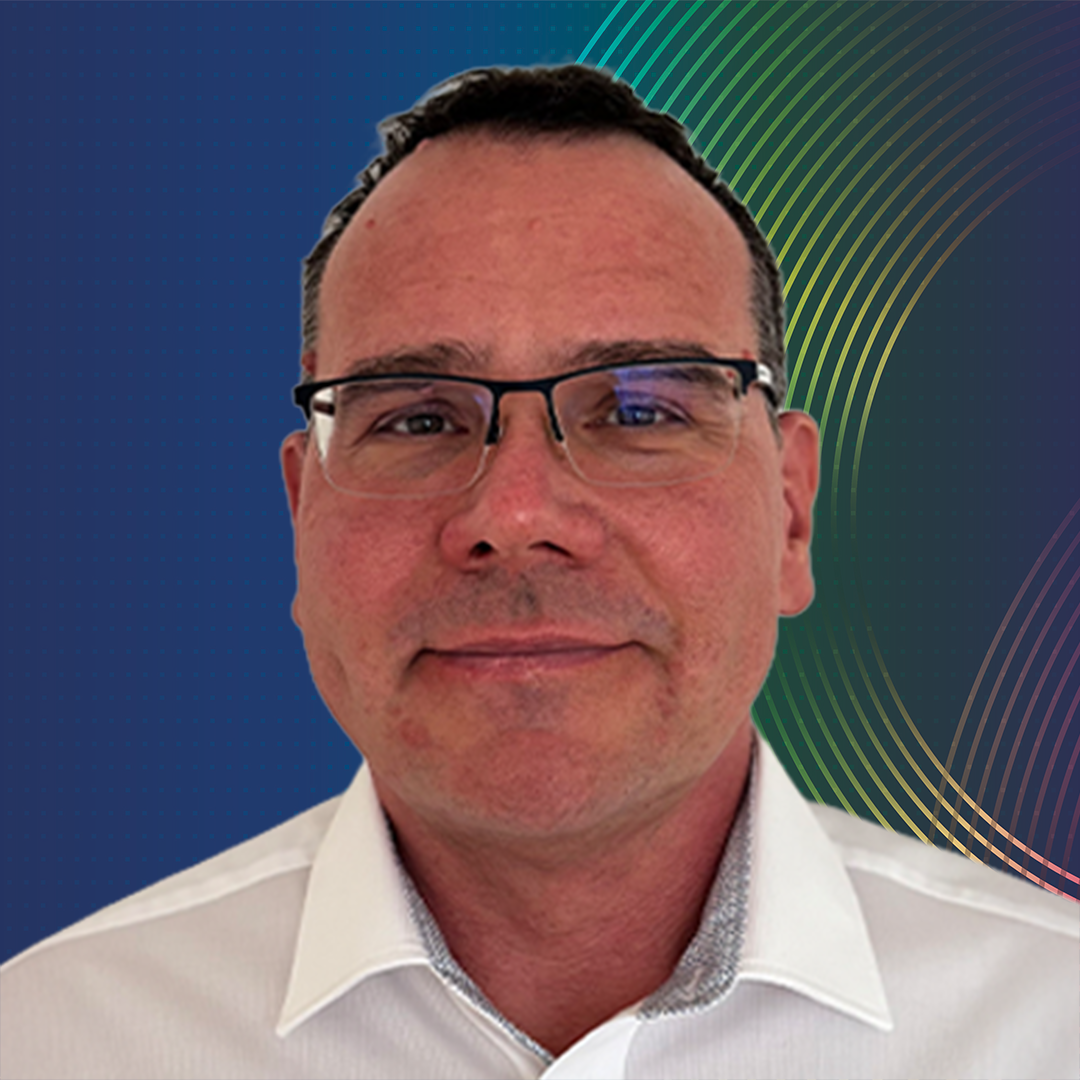
Felipe Watanabe, Sustainability Communication Specialist, Trivium Packaging Felipe Watanabe is a Sustainability Communication Specialist with over 10 years of experience shaping ESG narratives, leading sustainability reporting, and engaging diverse stakeholders across global value chains. His work focuses on translating complex sustainability and regulatory topics, such as EPR, circular economy, and materials stewardship into clear, credible, and actionable communication.
At Trivium Packaging, Felipe leads sustainability reporting and thought leadership, overseeing key disclosures including GRI, CSRD, and CDP, and supporting the company’s positioning as a driving force for circular metal packaging. He works closely with internal teams and external partners to align corporate strategy, policy developments, and communications around circularity and extended producer responsibility.
Previously, Felipe was part of HEINEKEN, where he managed global communications for the Brew a Better World sustainability strategy, ensuring consistent and impactful messaging across markets and stakeholder groups.
With a background in innovation consulting and social entrepreneurship, Felipe brings a systems-thinking approach to sustainability—connecting policy, business strategy, and communication to drive meaningful impact. His expertise lies in building trust, fostering collaboration, and enabling informed dialogue on how packaging systems can accelerate the transition to a circular economy.
Sustainability Communication Specialist
Trivium Packaging
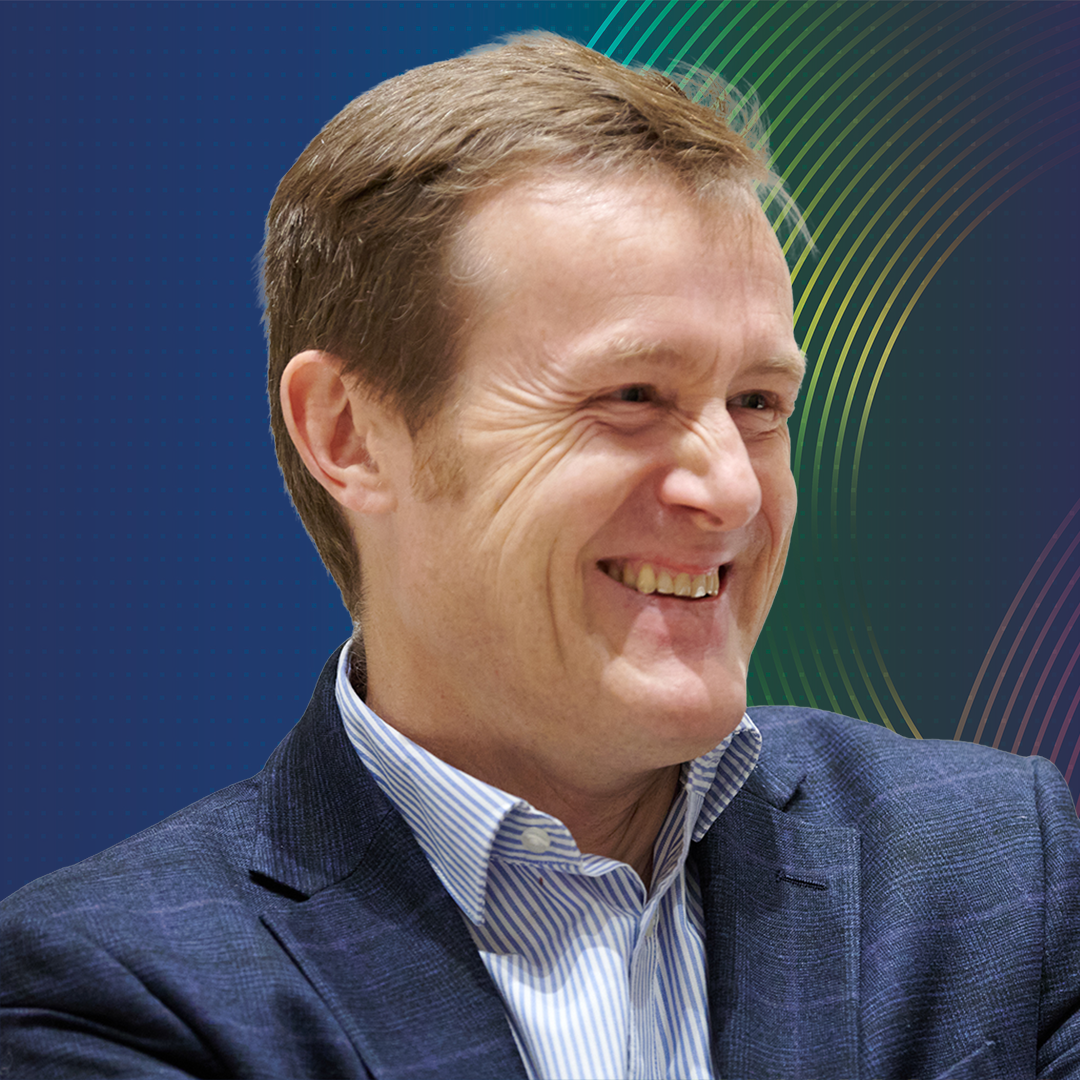
Geza Nagy, Packaging Expert (Metal Packaging and Materials), Packaging Laboratory Lead, Nestlé Geza Nagy is a Packaging Expert specializing in Metal Packaging and Materials at Nestlé, where he leads metal packaging technology globally. With a focus on innovation, quality, compliance, performance, and sustainability, he plays a pivotal role in advancing can making, filling, and closing technologies. Geza began his career in metal packaging at Corus / Tata Steel, where he spent 10 years developing his expertise. He joined Nestlé, a leading food company with in-house can and end making capabilities, 13 years ago.
Packaging Expert (Metal Packaging and Materials), Packaging Laboratory Lead
Nestlé
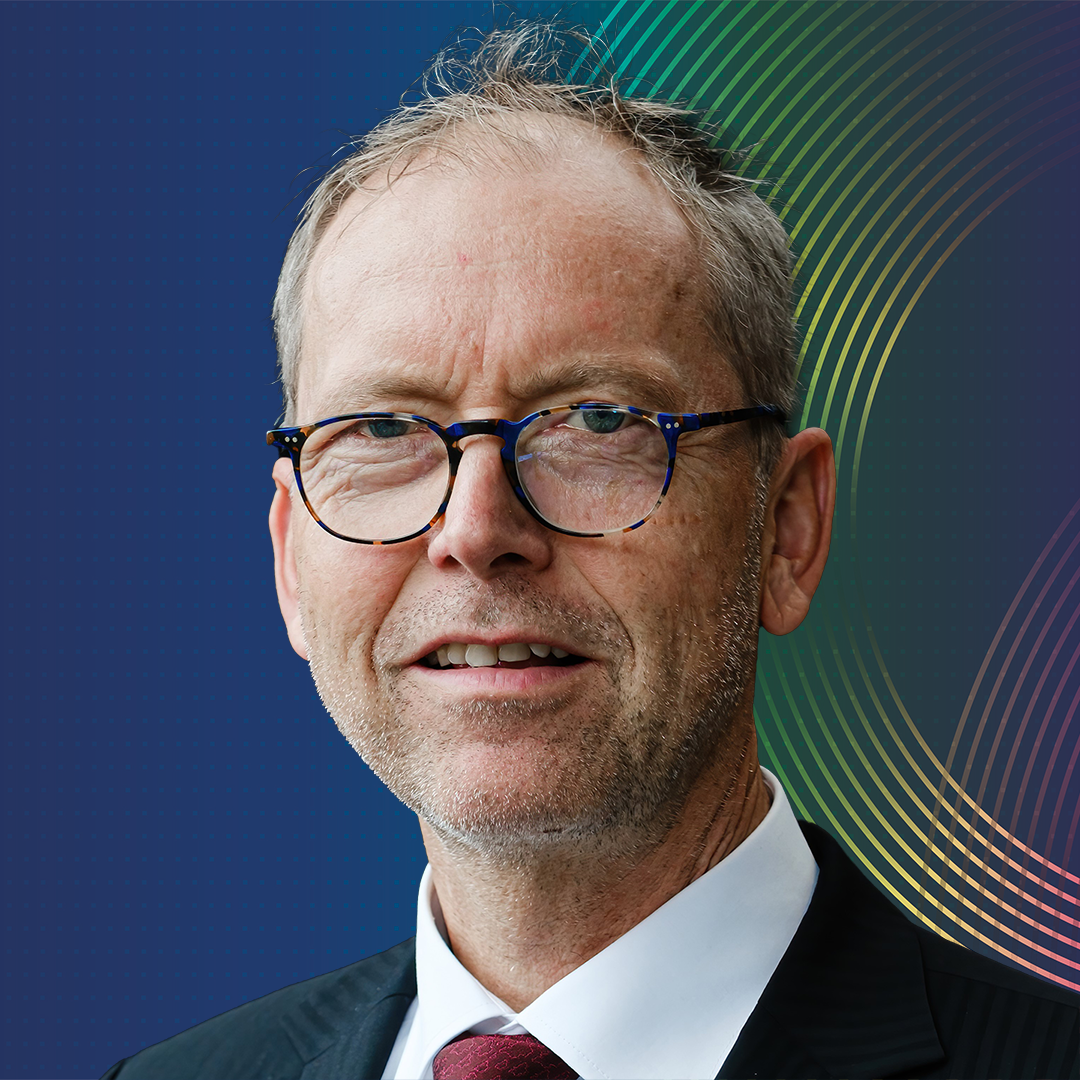
Joachim Quoden, Managing Director, EXPRA Joachim Quoden has been a leading voice in European and international Extended Producer Responsibility (EPR) and packaging waste management for more than three decades. His professional journey began in 1992 at the German Federal Ministry for the Environment, where he worked on the early implementation of the Packaging Ordinance and the concept of Extended Producer Responsibility (EPR) — the very foundation of today’s circular economy policies.
In 1993, he joined Der Grüne Punkt – Duales System Deutschland (DSD), the pioneering organisation for producer responsibility in packaging. Over more than a decade, he served as Syndicus and later as Head of International Affairs vested with procuration, contributing to the development of national and international EPR systems.
Between 2001 and 2013, Joachim held leadership positions at PRO EUROPE, first as Secretary General and later as Managing Director. During this period, he coordinated a network of more than 30 national Producer Responsibility Organisations (PROs) and helped build the Green Dot system as a European benchmark.
Since 2013, Joachim has been Managing Director of EXPRA, the Extended Producer Responsibility Alliance, representing 37 non-profit, industry-owned PROs from 34 countries. Under his leadership, EXPRA has become a recognised and respected voice in Brussels and beyond, promoting transparent, non-profit, producer-governed EPR systems that reinvest resources into better collection, sorting, and recycling.
Alongside his executive role, Joachim has practised as an independent lawyer in Germany since 1995, specialising in international EPR legislation and environmental compliance. He chairs the ISWA EU Group, did (co-)chair its Governance Working Group, and contributes as an expert to the OECD EPR Expert Group and the ISO global standardisation project (SIS/TK 165/AG 10 – Packaging and Environment).
He is also actively engaged in several cross-material industry initiatives, including CEFLEX (flexible packaging), HolyGrail 2.0 / 3.0 (digital watermarking for design-for-recycling), Close the Glass Loop (glass packaging), and 4EverGreen (paper packaging). These collaborations reflect his long-standing commitment to building an integrated and circular packaging value chain.
Dedicated to advancing producer responsibility and circularity in Europe.
Managing Director
EXPRA
Marco Musso, Deputy Policy Manager for Circular Economy, European Environmental Bureau Marco leads the EEB’s work on circular economy and fiscal reform, focusing on economic instruments for the green transition as well as on policies to prevent packaging waste and plastic pollution.
He has experience in environmental policy and public affairs, with a particular focus on circular economy. Before joining the EEB, he worked as Public Affairs and Communication Manager for the European Organisation for Packaging and the Environment. Previously, he worked in the European Parliament for a Member of the Environment, Public Health and Food Safety Committee.
He holds a double-degree Master of Science in European Governance from Utrecht University and the University College of Dublin, and a Bachelor’s degree in International studies, Development and Cooperation from the University of Turin.
Deputy Policy Manager for Circular Economy
European Environmental Bureau (EEB)
Peter Kirchesch, Chair of the Sustainability Working Group, Steel for Packaging Europe Biography coming soon…
Chair of the Sustainability Working Group Steel for Packaging Europe
Richard Lézé, President, Steel for Packaging Europe Richard Lézé is the Chief Marketing Officer of ArcelorMittal Packaging Europe and the current President of Steel for Packaging Europe.
Since joining ArcelorMittal in 1994, Richard has built a distinguished career, holding key roles in finance, key account management, and export sales. His expertise in Business Area Management has led to international assignments, including three years each in Moscow, Morocco, and managing a plant in the United Kingdom.
In May 2021, Richard assumed his current role in Paris, where he continues to drive strategic marketing initiatives and advocate for sustainable steel packaging solutions.
He holds a master’s degree in business and brings decades of global experience in the steel industry to his leadership roles.
President
Steel for Packaging Europe
Steel for Packaging Europe (SfPE) is celebrating 40 years of representing steel as a truly circular packaging solution. As SfPE marks this milestone, it remains committed to protecting products and preserving valuable resources with steel packaging – for generations to come.
This milestone coincides with the launch of SfPE’s 3rd Recycling Report, “Steel Ahead: Packaging for a Circular Future”.
Steel for Packaging Europe | Event Hosts Steel for Packaging Europe, formerly known as APEAL, represents the 5 major European producers of packaging steel – Acciaierie d’Italia, ArcelorMittal, Tata Steel, thyssenkrupp Rasselstein and U.S. Steel Košice.
Founded in 1986, we are committed to working with all relevant stakeholders to ensure understanding and support for steel as a sustainable and resource efficient packaging solution.
Forum Europe | Event Organiser Forum Europe events are where people and policy meet. We have been organising policy conferences in Brussels and around Europe since 1989. Our events provide unique insights from the people behind the policy and those seeking to influence it. Our expert team develop conference programmes with impact and provide first-class event logistics. Forum Europe is more than an event management and conference production specialist. With offices in Brussels and the UK, we operate across Europe and globally. Through our international arm, Forum Global, our events cover five continents, and engage policymakers and industry at national and regional levels around the world. Our mission is to drill down to the issues that matter, creating policy events that are ahead of the curve, facilitating frank and open debate on some of the most pressing issues facing Europe and the world today. Visit website: https://www.forum-europe.com
Should you have any questions about this event, please contact Forum Europe, using the details below: