Overview

This event marks 40 years of Steel for Packaging Europe’s commitment to steel as a truly circular packaging solution.

Coinciding with the launch of SfPE’s third Recycling Report, “Steel Ahead: Packaging for a Circular Future”, the event will provide early access to exclusive insights on steel’s role in Europe’s packaging and recycling systems. It will present SfPE’s six policy recommendations to EU decision-makers and offer policy perspectives to support the effective implementation of Europe’s circular economy framework.

Bringing together EU institutions, industry leaders, NGOs, and recycling value-chain stakeholders, the event will feature contributions from leading policymakers and experts on the remaining gaps in Europe’s circular economy and how to translate legislative ambition into high-quality recycling outcomes. It will also provide a dedicated opportunity for networking and exchange as part of SfPE’s 40th anniversary.

Agenda

Times are in CET

Shaping Europe’s Circular Future
2026-04-21
13:30 - 14:00
Registration
14:00 - 14:05
Welcome Remarks
14:05 - 14:15
Address from Steel for Packaging Europe President
Address from Steel for Packaging Europe President image
Richard Lézé
President, Steel for Packaging Europe
14:15 - 14:30
Keynote Speeches
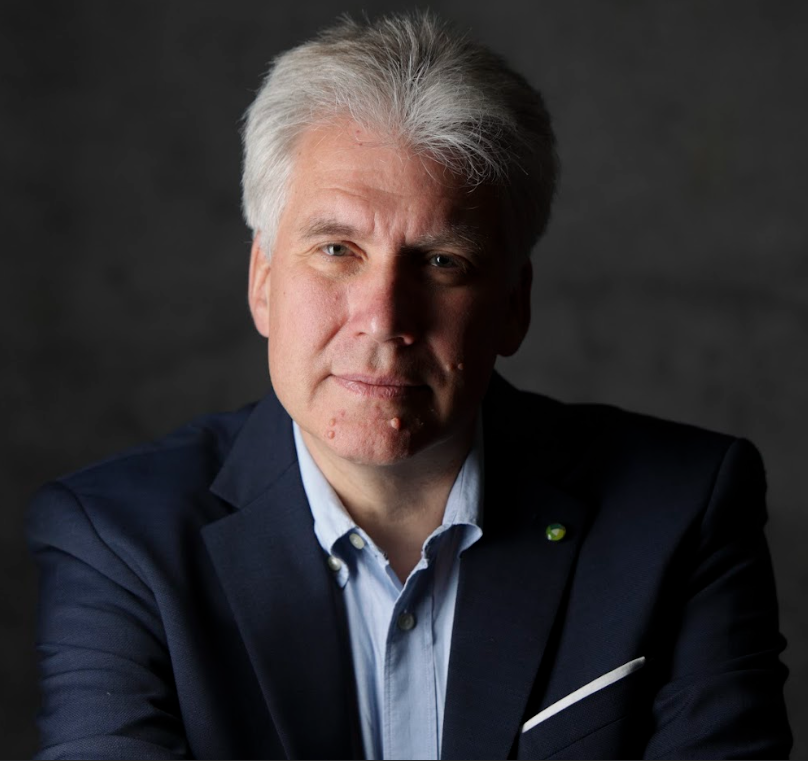
Keynote Speeches image
Susana Solis
Member of the European Parliament
Keynote Speeches image
Bruno Tobback
Member of the European Parliament
14:30 - 15:40
Panel 1: “Implementing PPWR and Advancing the Circular Economy Act: Towards High-Performance Recycling”

As Europe moves toward the implementation phase of PPWR and the adoption of the Circular Economy Act, ensuring high-quality recycling becomes a defining policy priority. This panel will explore how robust Design for Recycling criteria, optimised separate collection systems, and the phase-out of landfilling can put the Act’s ambitions into practice. With steel already achieving top recyclability performance grades and demonstrating a closed-loop system, speakers will discuss how policy can better recognise permanent materials that deliver proven circularity. The debate will focus on aligning regulatory requirements under the Circular Economy Act and PPWR with real-world collection, sorting, and recycling performance.

The Circular Economy Act must clearly recognise and reward materials that demonstrate proven, high-performance and permanent recyclability.

  • Design for Recycling and recyclability performance grading must become operational tools that guide packaging design and acknowledge materials already achieving grades A or B.
  • Optimised, material-specific separate collection is essential to deliver the Circular Economy Act’s high-quality recycling goals; contamination should be minimised.
  • Implementation of the Circular Economy Act must focus on practical enablers of circularity, including efficient recovery and proper sorting.
Panel 1: “Implementing PPWR and Advancing the Circular Economy Act: Towards High-Performance Recycling” image
Bruno Tobback
Member of the European Parliament
Panel 1: “Implementing PPWR and Advancing the Circular Economy Act: Towards High-Performance Recycling” image
Wolfgang Trunk
Team Leader for Plastics and Packaging, DG ENVI, European Commission
Panel 1: “Implementing PPWR and Advancing the Circular Economy Act: Towards High-Performance Recycling” image
Géza Nagy
Packaging Expert (Metal Packaging and Materials), Nestlé
Panel 1: “Implementing PPWR and Advancing the Circular Economy Act: Towards High-Performance Recycling” image
Marco Musso
Deputy Policy Manager for Circular Economy and Fiscal Reform, European Environmental Bureau (EEB)
15:40 - 16:00
Coffee Break
16:00 - 17:10
Panel 2: “Fair and Effective EPR Systems: Net-Cost Principles and Eco-Modulated Fees”

This panel examines how Extended Producer Responsibility (EPR) systems must evolve to support a truly circular European economy. It will focus on two critical pillars: the net-cost approach and eco-modulation of fees. Speakers will discuss how harmonised, transparent, proportional, and non-discriminatory EPR fees—based on the real net-costs of collection & sorting as well as further processing to recycling, minus the proceeds of selling – are essential to ensure that recyclable materials are treated fairly. The discussion will also highlight the importance of recognising the financial value of steel scrap, which must be factored into net-cost calculations. The panel will then examine eco-modulation, emphasising why EPR fees must be material-specific, with revenues reinvested in the collection and sorting of the material from which they are raised. A properly modulated system should reward materials that can be recycled endlessly. This session will explore how these principles can make EPR systems more efficient, equitable, and aligned with Europe’s circular objectives.

The EPR reform must support high quality recycling, by taking into account the recycling costs and revenues for different types of materials.

  • EPR systems must be harmonised, transparent, and proportional to guarantee fair treatment across packaging materials.
  • Net-cost EPR fees must reflect the true cost of collecting and sorting while subtracting the financial value of the material, such as steel scrap. EPR fees must be non-discriminatory, incentivising performance and efficiency rather than penalising permanent materials.
  • Eco-modulated EPR fees should reward materials that deliver high-quality through reduced fee levels. EPR fees must be material-specific: money collected from steel packaging must be used to support the steel recycling system, creating accountability and strengthening closed-loop recycling.
Panel 2: “Fair and Effective EPR Systems: Net-Cost Principles and Eco-Modulated Fees” image
Peter Kirchesch
Chair of the Sustainability Working Group, SfPE
Panel 2: “Fair and Effective EPR Systems: Net-Cost Principles and Eco-Modulated Fees” image
Mathias Bach Kirkegaard
Environment attaché, Permanent Representation of Denmark to the European Union
Panel 2: “Fair and Effective EPR Systems: Net-Cost Principles and Eco-Modulated Fees” image
Joachim Quoden
Managing Director, EXPRA
Panel 2: “Fair and Effective EPR Systems: Net-Cost Principles and Eco-Modulated Fees” image
Felipe Watanabe
Sustainability Communication Specialist, Trivium Packaging
17:10 - 17:30
Closing Remarks
17:30 - 18:15
Cocktail Reception & Networking
Select date to see events.

Agenda coming soon!

Check back here for regular updates.

Susana Solis

Susana Solis

Member of the European Parliament

Bruno-Tobback

Bruno Tobback

Member of the European Parliament

Mathias Bach Kirkegaard

Mathias Bach Kirkegaard

Environment Attaché
Permanent Representation of Denmark to the European Union

Peter Kirchesch

Peter Kirchesch

Chair of the Sustainability Working Group
Steel for Packaging Europe

Richard Lézé

Richard Lézé

President
Steel for Packaging Europe

Marco Musso

Marco Musso

Deputy Policy Manager for Circular Economy
European Environmental Bureau (EEB)

Géza Nagy

Géza Nagy

Packaging Expert (Metal Packaging and Materials)
Nestlé

Joachim Quoden

Joachim Quoden

Managing Director
EXPRA

Wolfgang Trunk

Wolfgang Trunk

Team Leader for Plastics and Packaging, DG ENVI
European Commission

Felipe Watanabe

Felipe Watanabe

Sustainability Communication Specialist
Trivium Packaging

Felipe Watanabe

Felipe Watanabe

Sustainability Communication Specialist
Trivium Packaging

Event Organisers

SFPE_Logo-removebg-preview
FE 350x194 - no background

Contact

Should you have any questions about this event, please contact Forum Europe, using the details below:

E: europecircularfuture@forum-europe.com

Location

Skyline  | Rue de Trèves 74, 1040 Brussels